URGENT: What researchers just uncovered about ENLARGED PROSTATE could change your next decision.
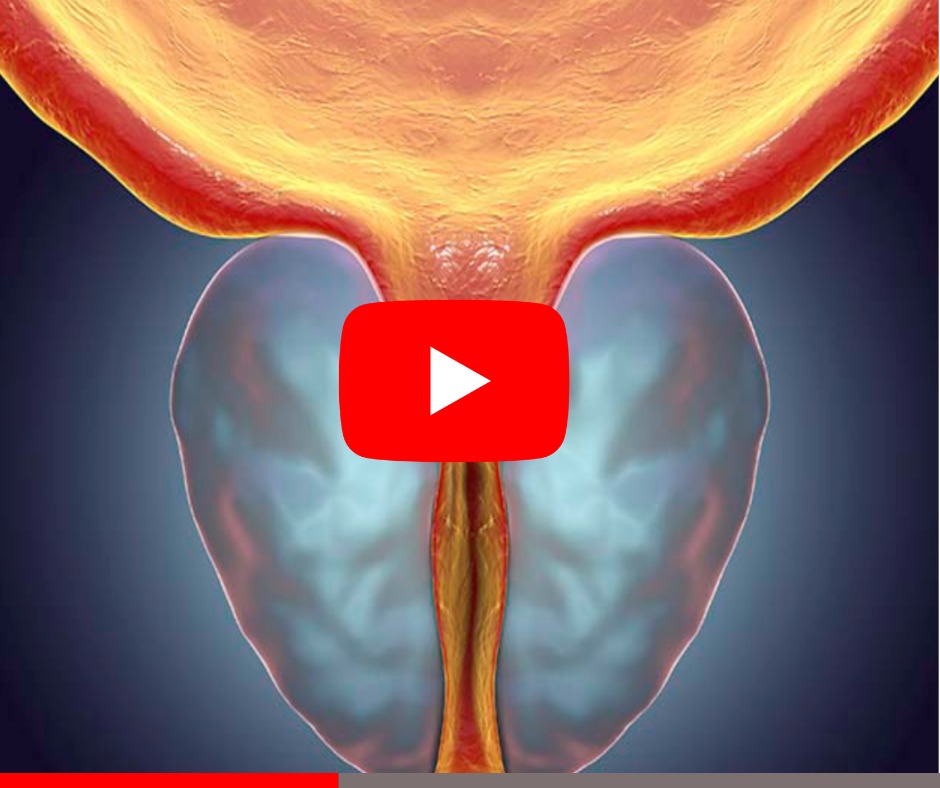
An ENLARGED PROSTATE can be destroying your health, your confidence, and your sex life .
What if age isn’t the real cause of ENLARGED PROSTATE? Emerging studies point to a hidden bacterial imbalance — intensified by everyday toxins — that fuels inflammation and growth. Correct the imbalance… and the response may change.
Have You Noticed Any of These Changes?
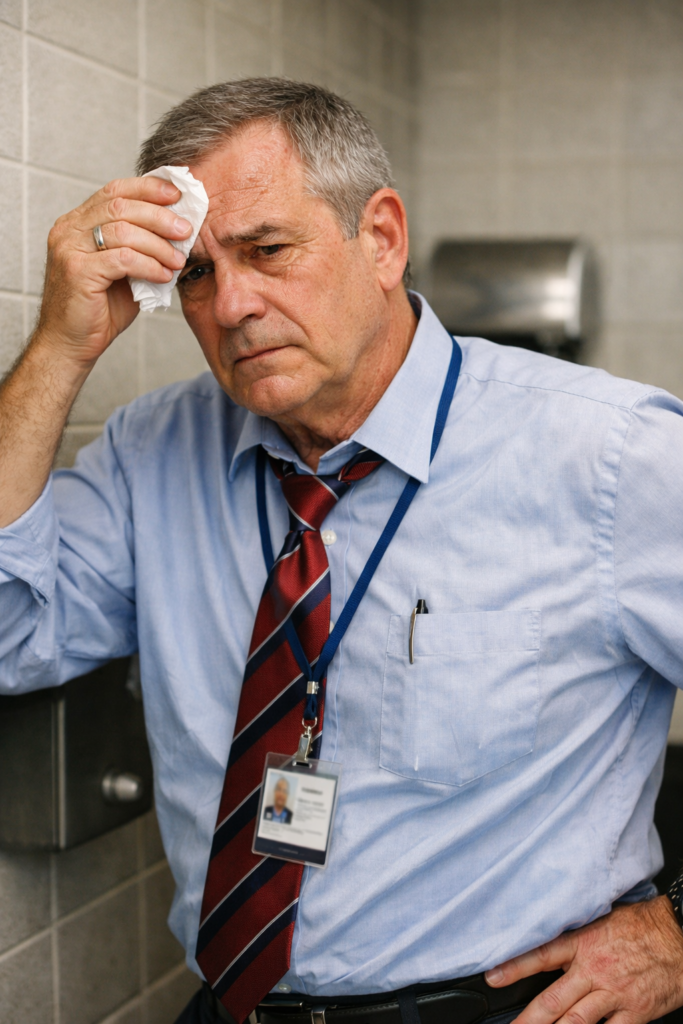
- Wake up several times a night to urinate
- Notice a weak or interrupted stream
- Constantly feel like your bladder isn’t empty
- Have left meetings in a rush
- Are experiencing lower libido or difficulty maintaining an erection
- Avoid long trips for fear of not finding a bathroom
SO YOU'RE NOT ALONE.
Most men don't talk about it. They just endure it. But in the silence, what grows isn't just the prostate. It's the fear.
EROSION OF MASCULINITY
What starts with a "weak stream" can affect much more. Decreasing libido. Unstable erections. Constant fatigue.
INVASIVE SURGERY
When symptoms progress, many men hear the same word: surgery. Expensive procedures, risk of complications, weeks off work… and the possibility of permanent side effects.
DEPENDENCE AND HUMILIATION
When urinary retention worsens, a catheter or diapers may be needed. Unexpected leaks. Odor. Public embarrassment.
BUT THE PROBLEM MAY NOT BE PERMANENT…
Recent research indicates that an enlarged prostate may be linked to a silent bacterial imbalance within the prostate itself. And when that internal environment is restored…
ENLARGED PROSTATE: The Internal Process Few Are Considering
Studies conducted by urological research centers in the US and Japan have been investigating something that completely changes the way we understand enlarged prostate.
What is being observed is not just prostate growth, but a silent inflammatory process associated with modern environmental toxins and a physiological imbalance that is not treated by traditional medications. Most current medications only work by relaxing the urinary muscles.
They do not address the internal mechanism that keeps the process active.
IT WASN’T ABOUT URINATING. IT WAS ABOUT IDENTITY.
Robert, 60 years old, a banker in New York, put it this way: “He started waking up twice a night. Then four times. Then six. He began memorizing restroom locations at train stations. He was warned at work for leaving his post too often. He started avoiding intimacy. But what truly shook him wasn’t his prostate. It was the feeling of failure. He tried medications. Supplements. Cutting coffee. Drinking less water. Nothing really changed. Until he realized he had been treating the symptom… not the process. When he shifted his approach, the first improvements showed up in his sleep. Then in his flow. Then in his confidence.

" I'm peeing like a teenager again! I only wish I'd had it done a few years earlier. I was on Flomax for years, eventually doubled the dose as it lost effectiveness, and finally I was just tired of all the waking up during the night. Now I usually just get up once in the night but that's as much due to aging (79yo) rather than a real need to urinate."
— Benjamin P. 71 – Newark

“My biggest fear wasn’t urinating — it was losing control at work. Once I focused on the root process instead of just the symptoms, the urgency finally eased.”
— Marcus W., 65 –Jersey City

“I was waking up five times a night. I thought it was just aging. After addressing the internal imbalance, my sleep improved first… then my flow. That’s when I knew something had changed.”
— Henry T., 58 –Hartford